
What the Cattaraugus County Current Owner Record Shows
A Cattaraugus County current owner record contains several fields that identify the owner of record. Each field, from the parcel number to the deed reference, tells you something different about the property.
| Owner of Record | Name(s) vested today |
|---|---|
| Vesting / Tenancy | Joint tenants, trust, LLC, etc. |
| Mailing Address | Where the owner gets tax notices |
| Situs Address | The property itself |
| Deed Reference | The recording that vested them |
| Ownership Since | Date of the current deed |
Owner of record names the assessed interest holder, not the occupant; the tax mailing address is the best contact clue.
Confirming the Current Owner in Cattaraugus County
Move past the assessor roll. Copy the deed citation the roll supplies, pull the latest recorded deed from the County Clerk's records, and confirm the grantee, the legal description, and the book-and-page reference against what the roll displays.
- STEP 1 - read the owner of record on the Cattaraugus County Real Property and GIS assessment records
- Pull the most recent deed in the County Clerk Cott index to confirm vesting
- STEP 3 - if an LLC or trust, identify the people behind it via the Secretary of State
- STEP 4 - note the owner mailing address for contact
- Owner of record
- The party the records show as owner.
- Vesting
- How title is held - joint, trust, entity.
- Registered agent
- The contact for an LLC/entity owner.
Reaching a Cattaraugus County Property Owner
The tax roll lists the owner's mailing address. That address is the lawful way to reach an owner about a genuine land matter, while phone numbers, emails, and household details stay private and are not part of the public record.
Lawful use. 1-2 sentences - contacting a Cattaraugus County owner through the public mailing address is fine for property matters; using owner information to harass or intimidate is a crime under New York law.
How Fresh Is the Cattaraugus County Owner Field?
An assessment roll freezes ownership at its roll date. The Clerk records deeds all year long. Save four dates: the roll year, the valuation date, the deed recording date, and the day of your search. A newer deed may name a different grantee, so ask the assessor whether the ownership update is still pending. The old Image Mate route runs expressly stale. Use the current assessment page or the emerging Beacon search instead.
Olean's portal posts a weekly-update notice that helps date its owner result. Salamanca adds city, town, and Indian Lease distinctions. Neither a postal ZIP nor a mailing address proves the assessing jurisdiction, so match the tax-map number and the deed book and page.
Book and Page Confirm the Cattaraugus County Current Owner
Start with the deed citation copied from the roll. Search the Cott index for the cited grantee, the instrument, and any later conveyance. The free guest index is enough to identify entries. Image service carries separate daily, monthly, six-month, and handling fees. Confirm an incomplete or unverified Cott hit at the Clerk.
An LLC, trust, estate, executor, or trustee can hold title as owner of record. The roll does not disclose beneficial interest. The tax-mailing address is the appropriate public contact route for a genuine land matter. Report what the official fields say, not who appears to live there. The mailing address may sit far from the parcel.
Cattaraugus County Reassessment and Owner Changes
Reassessment work in Ashford, East Otto, Mansfield, and Red House began during 2026. It can shift inventory and values without touching ownership. A recorded deed works the other way. It can change ownership before the assessment display catches up. Keep those events separate. A parcel split or combination can also create a new map identity. So compare the legal description as well as the owner name.
The county assessment page is the current source for roll and reassessment notices.
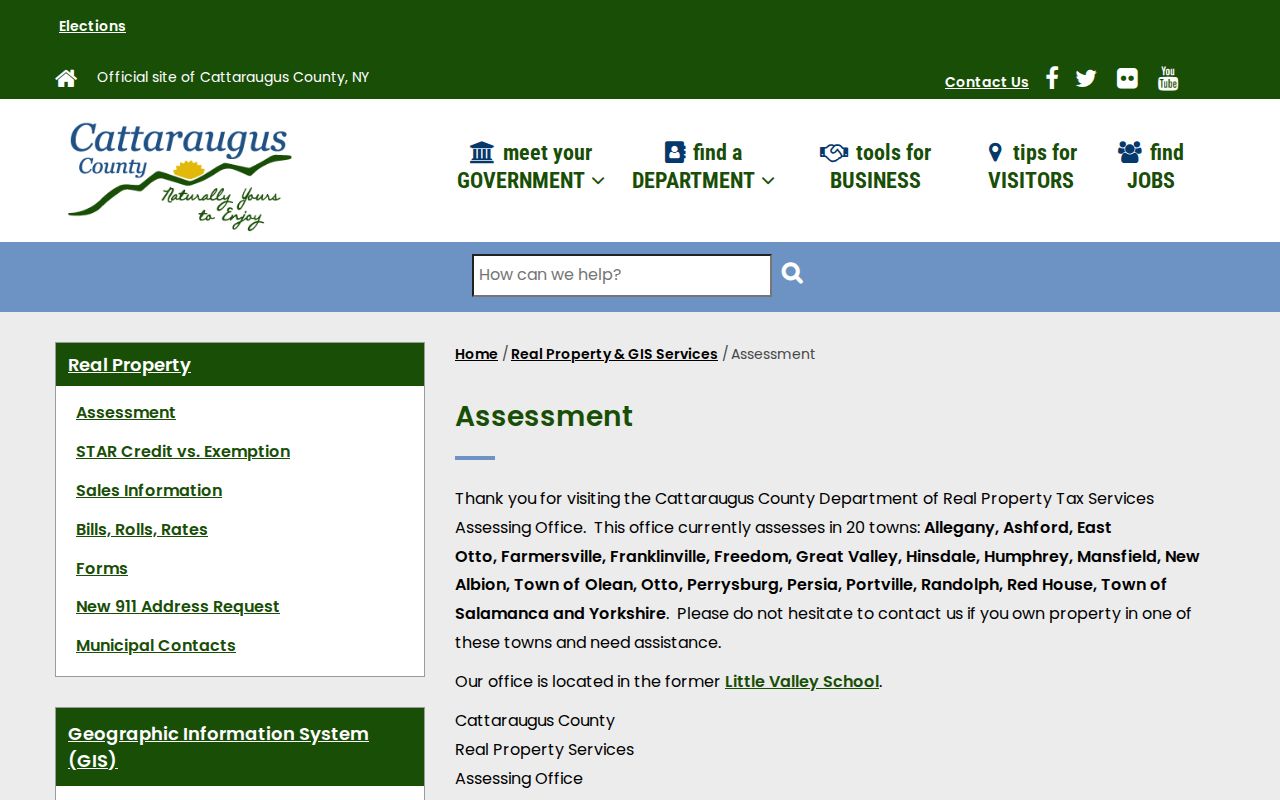
The official page dates the roll and value context.
Record the Current Owner Evidence
A clean owner record states the party exactly as displayed. Add the parcel number, situs and mailing addresses, roll year, and deed reference. Include the recording date and the date you checked. Note both sources when a deed is newer than the roll. Never rewrite one to match the other. Where an estate or trust appears, preserve the capacity of the signer. For a company, use the exact legal entity name.
Olean results carry a weekly-update notice. Keep the June 2025 countersignature context too. Salamanca searches need the city or town determination and any lease-roll relevance. Rural searches may gain a historic clue from a town conveyance-abstract book under section 291-b. These are local qualifications on one countywide method.
Current Owner Does Not Mean Current Occupant
The owner field reflects an assessed or recorded interest in land. That is all. It does not certify who sleeps at the address. It does not show who manages it or who benefits from a trust. Use it for land-related diligence, and contact the owner through the published mailing route. Skip assumptions built on surnames, postal locations, or map markers.
Where title certainty matters, order the deed. Examine the vesting and legal description. Search later recordings by the same grantor and grantee. Then have a qualified professional review liens, easements, estates, and other exceptions. The public roll is a starting card, not clear title.
When to Recheck a Current Owner
Recheck after a sale, an estate proceeding, a foreclosure, a parcel split, a correction deed, or unexplained tax mail. Also recheck before sending any formal notice. Use the Clerk's current index and the current assessment source on the same day, and preserve both dates. A stale portal never overrides a later recorded instrument.
Keep exact spellings and capacities. Trustee, executor, and company suffixes matter, since small wording differences decide whether an index search finds the right instrument. Official record dates control.